


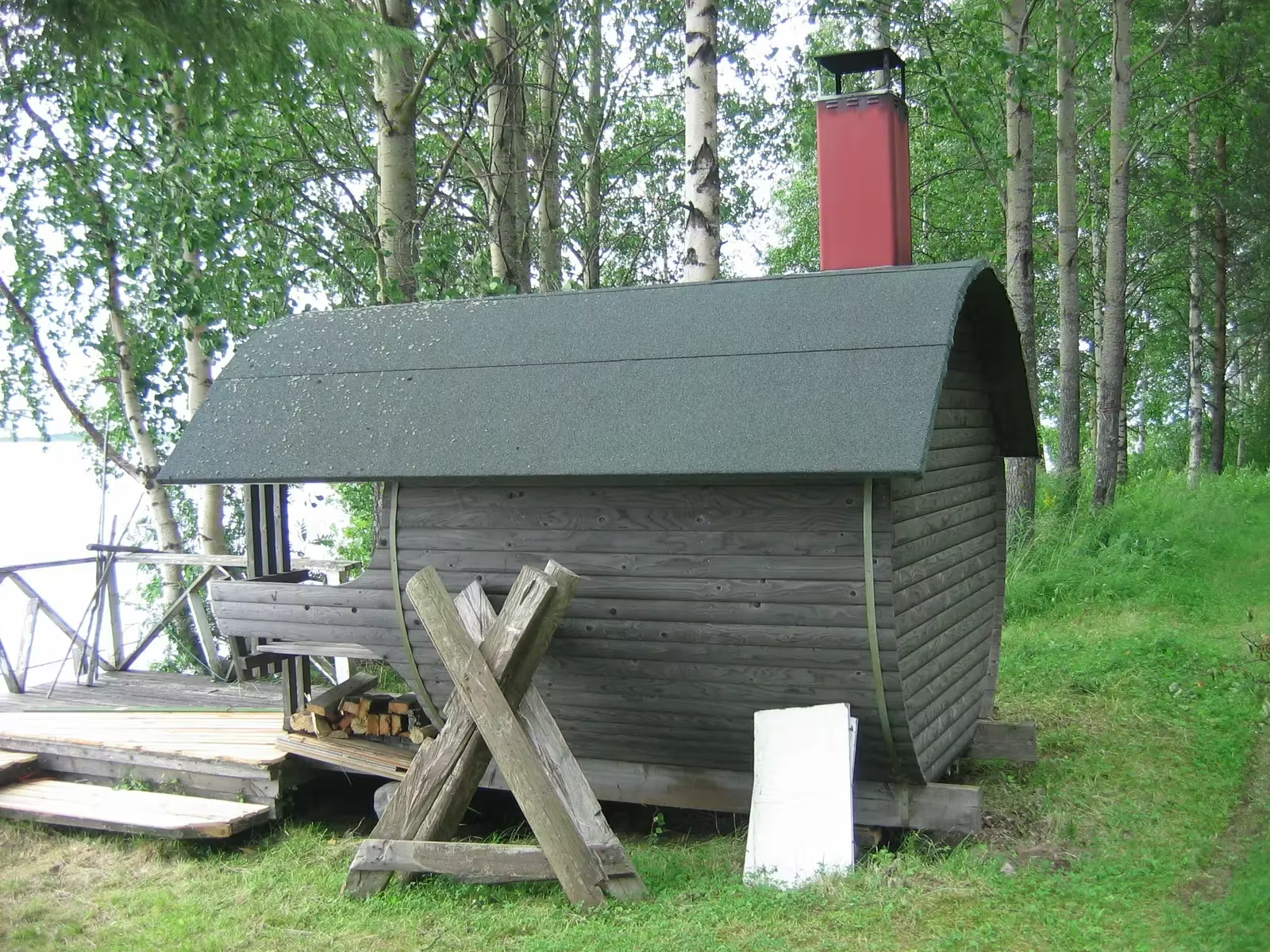
A timber sauna at the bottom of the garden is a simple idea with a long tradition. A few steps from the back door, you have a warm, quiet place to unwind after work, after a swim or on a cold winter evening. Making that idea work well in an Australian backyard comes down to good planning: where the sauna sits, what approvals it needs, how it is heated and ventilated, which timber is used, and how it is looked after.
This guide covers those basics for homeowners in Melbourne and across Victoria. It is general information, not building, electrical or medical advice, and it does not describe the specifications of any particular product.
Choosing where the sauna goes
Position affects how often you use a sauna and how long it lasts. Things to weigh up include:
- Distance from the house: close enough that a short walk in winter is easy, and close to an outdoor shower or bathroom if you like to cool down between sessions.
- Level, well-drained ground: a sauna needs a stable, level base and should not sit in a spot where water pools after rain.
- Clearances: keep space around the building for maintenance, airflow and, for wood-fired heaters, safe distances from fences, trees, other buildings and the flue.
- Privacy and outlook: consider neighbours' windows and where the door and any glazing face. A garden view can make the experience, but privacy matters too.
- Services: electric heaters need a suitable power supply, and lighting needs power. A nearby water tap or shower is useful.
- Access for delivery: check that components or a finished cabin can reach the spot through gates and side paths.
Permits for a backyard sauna in Victoria
A freestanding sauna is generally treated as an outbuilding, and whether it needs a building permit depends on its size, use and siting. The Building and Plumbing Commission's guidance on garden structures says roofed, freestanding structures such as gazebos and cabanas usually need a building permit, with an exemption for very small non-habitable buildings under 10 square metres. Siting rules about setbacks and boundaries still apply, and even a small structure may need a permit where other requirements are triggered. See the BPC landscaping guidance and its practice note on when a building permit is required.
Other approvals to keep in mind:
- Bushfire-prone areas: Victorian guidance says the bushfire construction standards apply to new domestic buildings, including associated garages and sheds. A wood-fired heater also raises questions about sparks and fire restrictions, so check the CFA guidance on what you can and cannot do during fire danger periods.
- Planning overlays: heritage, vegetation or other overlays on your lot may affect a new outbuilding. Check with your council.
- Electrical work: installing an electric sauna heater and its circuit must be done by a licensed electrician. Energy Safe Victoria regulates electrical safety.
- Plumbing: an outdoor shower or drainage connection is plumbing work that needs a licensed plumber.
- Decks and roofs: a deck with a structural subfloor or a roofed verandah attached to the sauna usually needs a building permit of its own.
Because rules depend on the exact structure and site, confirm requirements with your council or a registered building surveyor before you buy or build.
Heating options
Most backyard saunas use either an electric heater or a wood-fired stove. Electric heaters are convenient, controllable and produce no smoke, but need a dedicated circuit sized for the heater. Wood-fired heaters give the traditional crackle and smell of wood smoke and do not need a large electrical supply, but they need a properly installed flue, safe clearances, firewood storage and attention to smoke and fire restrictions. Whichever you choose, follow the heater manufacturer's installation instructions and clearances exactly.
Ventilation matters
Good ventilation is what makes a sauna feel fresh rather than stuffy. It supplies fresh air for the people inside, helps spread heat evenly, and lets the timber dry out after each session. A common approach uses a fresh-air inlet low down near the heater and an outlet higher up on the opposite side, but the right layout depends on the heater type and the manufacturer's requirements. Wood-fired heaters also need enough combustion air. After each session, leaving the door or vents open for a while helps the interior dry out and reduces the risk of mould and timber staining.
Choosing timber
The timber inside a sauna is in direct contact with heat and skin, so the choice matters. Good interior timbers are stable, low in resin, slow to heat up to the touch and free from knots that can become hot or weep sap. Softwoods such as spruce, and timbers such as aspen, alder, hemlock and western red cedar, are commonly used for sauna interiors and benches. Leave interior surfaces untreated or use only products made specifically for sauna interiors, since ordinary varnishes and paints can become sticky or give off odours in the heat.
The exterior is a separate decision. It needs to cope with sun, rain and wind and can be protected with a suitable exterior finish. A solid timber building also brings its own warmth and character, which is why timber is the traditional sauna material. You can see the outdoor saunas we offer on our timber saunas page.
Looking after a backyard sauna
- Sit on a towel to keep benches clean, and wipe benches and backrests down regularly with a mild solution.
- Let the sauna air out and dry after each use.
- Lightly sand benches occasionally to keep them smooth and fresh.
- Check heater stones periodically and replace any that crack or crumble, following the heater instructions.
- Keep gutters, drainage and the base clear so water does not sit against the timber.
- Re-coat exterior finishes as recommended, and check door seals, hinges and vents.
- For wood-fired heaters, clean out ash and have the flue inspected and cleaned regularly.
Using a sauna safely
Many people enjoy saunas as part of a relaxing routine, but heat places real demands on the body. Sauna use is not suitable for everyone. Speak to your doctor before using a sauna if you are pregnant, have heart or blood pressure conditions, other medical conditions, or take medication that affects heat tolerance. General precautions include staying hydrated, avoiding alcohol before and during sessions, keeping sessions short to start with, leaving straight away if you feel dizzy or unwell, and never leaving children unsupervised. This article does not make health claims about sauna use.
Frequently asked questions
Does a backyard sauna need a permit in Victoria?
It depends on the size, use and siting. BPC guidance says roofed freestanding structures usually need a building permit, with an exemption for very small non-habitable buildings under 10 square metres. Confirm with your council or a building surveyor.
Can I install the sauna heater myself?
Electrical work for an electric heater must be carried out by a licensed electrician. Wood-fired heaters and flues must be installed to the manufacturer's instructions and the relevant requirements.
Which timber is best inside a sauna?
Low-resin, stable timbers that stay comfortable to touch are preferred, such as spruce, aspen, alder, hemlock or western red cedar. Avoid ordinary paints and varnishes on interior surfaces.
How should I ventilate a sauna?
Provide fresh air in and stale air out, typically with a low inlet near the heater and a higher outlet, and follow the heater manufacturer's requirements.
Can I combine a sauna with a granny flat project?
Many properties have room for both. If you are planning a granny flat, mention a sauna early so siting, access and services can be considered together.
Next step
If you are thinking about an outdoor timber sauna, start with the site. Get in touch with your postcode and a few photos of the proposed location, or read how our process works.
General information current at 17 November 2026. Not building, electrical or medical advice. Confirm requirements for your property with your council, a registered building surveyor and licensed trades.
Featured photo: a generic example of a barrel sauna in Finland, not a Woodland Living product. Photo by SeppVei, Wikimedia Commons, CC0.


